Crisis management is a strategic discipline that separates organizations that survive disruption from those that thrive after it. Whether the trigger is a data breach, natural disaster, product failure, or reputational attack on social media, the fundamentals of effective crisis management remain the same: preparation, rapid response, clear communication, and continuous learning.
Preparedness: build resilience before an incident
– Create a living crisis plan that maps likely scenarios, decision-making authority, and critical contacts. Plans must be concise, accessible, and regularly updated.
– Establish a cross-functional crisis team with representation from leadership, legal, communications, IT/security, HR, and operations. Clear roles reduce confusion when stakes are high.
– Invest in training and simulations. Tabletop exercises and surprise drills expose gaps in process and strengthen team coordination.
– Maintain redundancies for critical systems and data backups that are regularly tested to ensure business continuity.
Rapid response: act quickly and decisively
– Speed matters. A rapid initial assessment enables prioritized action and prevents escalation.
Triage the incident: safety first, systems second, reputation third — but address all three quickly.
– Lock down technical vulnerabilities immediately for cyber incidents and isolate affected systems to prevent spread.
– Make decisions with imperfect information rather than waiting for certainty. Establish a single source of truth for updates to avoid mixed messages.
Crisis communication: transparent, timely, and empathetic
– Communicate early and often with stakeholders: employees, customers, regulators, partners, and the media.
Silence breeds speculation and accelerates reputational damage.
– Use plain language and avoid corporate jargon. Acknowledge what is known, what is unknown, and the steps being taken to resolve the situation.
– Demonstrate empathy.
Affected people need to feel heard and supported; empathy builds trust even amid bad news.
– Monitor social channels and mainstream media closely. Social listening tools help detect misinformation and prioritize responses.
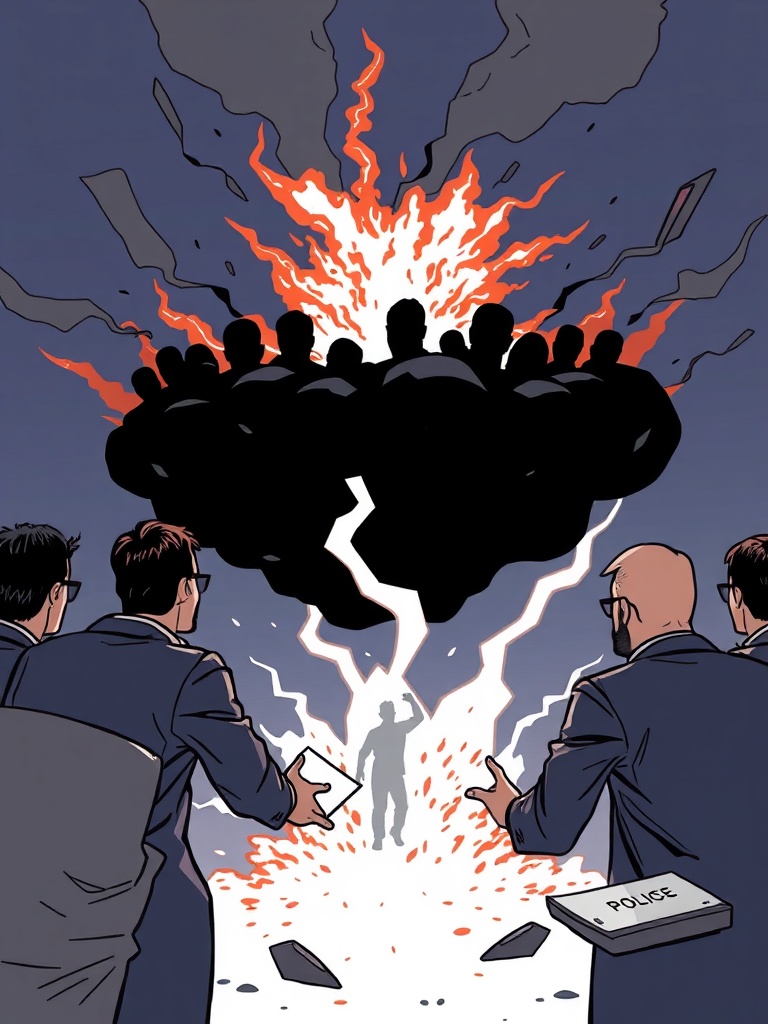
Coordination with legal and regulators
– Engage legal counsel immediately for incidents with regulatory, contractual, or litigation implications. Preserve evidence and follow chain-of-custody protocols.
– Understand reporting obligations under applicable laws and industry regulations and meet them promptly to avoid fines and further reputational harm.
Recovery and continuity
– Restore critical operations according to pre-defined priorities in the crisis plan. Keep stakeholders informed about recovery timelines and interim workarounds.
– Provide support for affected employees and customers — compensation, counseling, or extended service where appropriate — to rebuild trust.
Post-incident review: turn disruption into improvement
– Conduct a structured after-action review to identify root causes, decision points, and process failures. Blame-free analysis encourages honest feedback.
– Update the crisis plan, training, and technical controls based on lessons learned. Implement measurable improvements and assign owners for follow-through.
– Track key performance indicators to measure crisis readiness and response effectiveness: time to detection, time to first public response, incident containment time, and stakeholder sentiment.
Common pitfalls to avoid
– Waiting for perfect information before responding
– Using legal-only messaging that lacks empathy
– Failing to coordinate across functions
– Neglecting follow-through after the crisis is resolved
A robust crisis management capability is an organizational asset that protects people, preserves reputation, and minimizes financial impact. With disciplined planning, practiced response protocols, and clear, compassionate communication, organizations can navigate disruption and emerge stronger.