Crisis Management: Practical Steps to Protect People, Reputation, and Continuity
Crisis management is no longer a back-office exercise reserved for rare disasters.
Organizations currently face a fast-moving mix of natural events, cyber incidents, supply shocks, and viral social media narratives that can escalate rapidly. Effective crisis management prioritizes clear roles, decisive communication, and rehearsed processes so organizations can protect people, preserve trust, and maintain operations.
Core components of a resilient crisis program
– Risk identification: Map the most plausible threats to your organization—operational, cyber, reputational, regulatory, and physical—and rank them by likelihood and impact.
– Response structure: Establish an incident command system with defined roles, decision authorities, and escalation triggers so decisions aren’t made ad hoc.
– Communication plan: Predefine internal and external messaging channels, spokespeople, approval pathways, and monitoring tools.
– Business continuity: Ensure critical functions have recovery strategies, alternate suppliers, and redundant systems to minimize downtime.
– After-action learning: Capture lessons immediately after incidents and integrate them into updated playbooks and training.
Communication: the heartbeat of any crisis
Communication is the single biggest determinant of how stakeholders perceive a crisis. Rapid, transparent, and consistent messaging reduces rumors and builds credibility. Key practices:
– Name the facts you know and what you don’t know. Commit to a timeframe for updates and stick to it.
– Use a single, trained spokesperson to keep the public voice consistent while coordinating technical experts behind the scenes.
– Monitor social channels and mainstream media continuously; misinformation should be corrected promptly with verifiable evidence.
– Tailor messages: employees need operational details; customers want service impact and compensation options; regulators want compliance evidence.
Leadership and decision-making under pressure
Leaders must balance speed with prudent risk assessment. Use simple decision frameworks—define the objective, identify constraints, evaluate options, and choose the least-harmful path quickly. Empower trained deputies so decisions can be executed 24/7 without bottlenecks.
Visible leadership grounds the organization and reassures external audiences.
Training, drills, and scenario planning
Exercises turn plans into muscle memory.
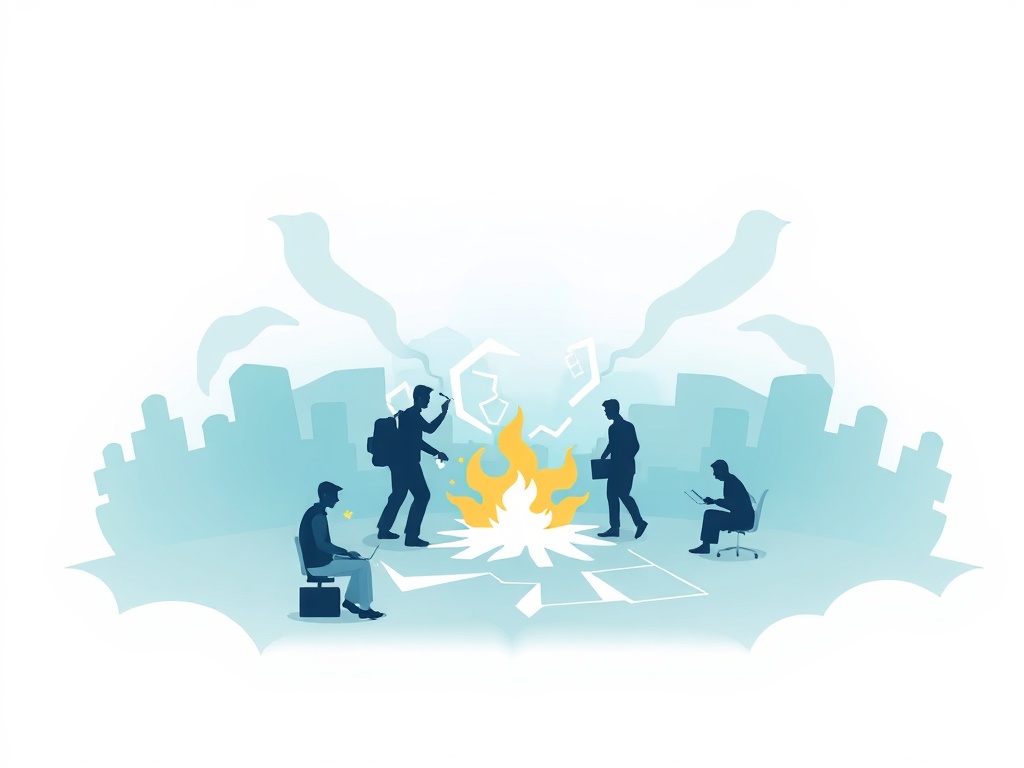
Run tabletop exercises with cross-functional teams and realistic injects that stress communications, legal, IT, and operations simultaneously. Include third-party partners and suppliers in critical scenarios.
After each exercise, document gaps and update playbooks; rehearsals should be regular and rotate through different incident types.
Technology and data-driven response
Modern crises demand modern tools.
Real-time monitoring platforms, mass notification systems, and secure collaboration channels reduce friction.
Use data to drive decisions: incident metrics, uptime dashboards, and sentiment analytics help prioritize actions. Ensure redundancies and offline options in case primary systems fail.
Quick checklist to get started
– Identify top three risks and assign owners
– Create an incident command roster with backups
– Draft templated messages for likely scenarios
– Run a cross-functional tabletop exercise
– Implement monitoring for media, social, and system health
Crisis preparedness is an ongoing discipline, not a one-off project. By standardizing roles, practicing responses, and prioritizing clear communication, organizations can navigate turbulence with less damage and faster recovery. Start small, iterate quickly, and treat every exercise as an investment in organizational resilience.