Crisis management separates resilient organizations from those that crumble under pressure. Whether facing a cyber incident, product safety issue, natural disaster, or reputational attack, effective crisis management combines preparedness, decisive leadership, clear communication, and rapid containment. This guide outlines practical steps to manage emergencies while protecting people, operations, and reputation.
Why crisis management matters
A well-designed crisis program minimizes harm, shortens disruption, and preserves trust with customers, employees, regulators, and the public. Poor handling amplifies damage—sometimes permanently. The goal is to move from reactive firefighting to a structured, repeatable response that protects core assets and supports fast recovery.
Core components of an effective crisis program
– Preparedness and planning: Maintain a crisis plan that identifies critical risks, escalation paths, and roles. Include contact lists, decision authorities, and playbooks for likely scenarios.
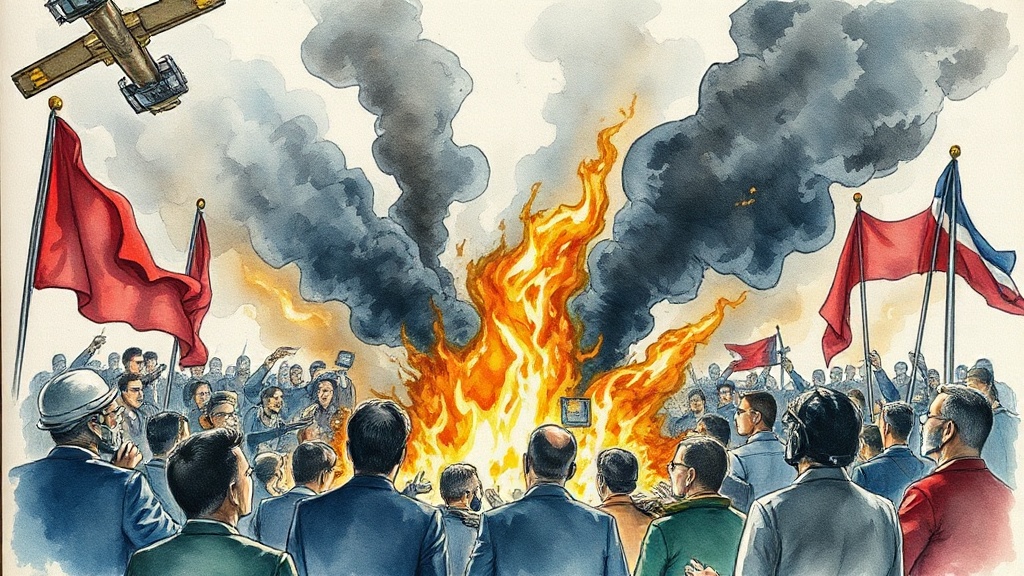
– Incident detection and monitoring: Use real-time monitoring—security alerts, operational sensors, social listening, and media tracking—to detect issues early and assess scope.
– Crisis communications: Establish a single spokesperson or cleared team, pre-approved messaging templates, and channels (press, social, internal) to deliver timely, consistent updates.
– Response and containment: Rapidly isolate affected systems, secure evidence, and deploy contingency operations to maintain critical services.
– Decision-making and governance: Use a clear incident command structure with delegated authorities to avoid bottlenecks and confusion.
– Recovery and business continuity: Implement backup processes to restore services, then normalize operations through prioritized restoration plans.
– Post-incident review: Conduct a blameless after-action review to capture lessons, update plans, and train teams.
First 24 hours — a practical checklist
– Confirm facts: Gather verified information before public statements.
– Stand up the incident team: Activate the crisis leader and cross-functional responders (IT, legal, communications, HR, operations).
– Communicate proactively: Share a short, factual holding statement even if details are limited—outline what is known, actions taken, and next steps.
– Secure assets and evidence: Preserve logs, systems, and physical evidence for investigation.
– Notify critical stakeholders: Inform regulators, key customers, and partners as required by contracts or law.
– Monitor and escalate: Track media, social, and stakeholder response; escalate if the situation expands.
Crisis communications best practices
– Be fast and factual: Timeliness builds credibility.
Admit uncertainty rather than speculating.
– Use simple language: Avoid jargon; prioritize clarity.
– Show empathy and accountability: Acknowledge impacts on people and explain concrete remediation steps.
– Maintain cadence: Regular updates—even brief—reduce rumor and speculation.
– Coordinate externally: Align communications with legal and regulatory requirements to avoid contradictory statements.
Building resilience through training and culture
Regular tabletop exercises and realistic simulations sharpen decision-making and reveal plan gaps.
Cross-functional drills that mimic high-stress scenarios improve coordination and surface logistical issues before they happen. Cultivate a culture that encourages reporting near-misses and learning from incidents to continuously strengthen defenses.
Rebuilding trust after a crisis
Reputation repair hinges on transparency, corrective action, and follow-through. Publicize measurable remedies, share timelines for improvement, and publish findings from independent reviews when appropriate. Long-term trust is earned by consistent behavior, not one-off statements.
Crisis management is an ongoing investment. Organizations that integrate preparedness, clear governance, active monitoring, and disciplined communications are better positioned to withstand shocks and recover stronger.