Crisis management is no longer a back-office function reserved for big corporations.
In a highly connected environment where news travels at the speed of a headline, every organization needs a clear, tested approach to minimize damage, protect people, and preserve trust.
Core components of an effective crisis management strategy
– Preparedness: A documented crisis plan that identifies likely scenarios, roles, communication protocols, and decision thresholds is essential. Include contact lists for leadership, legal, PR, IT, HR, and external partners. Keep templates for statements and press releases ready to accelerate response.
– Detection and monitoring: Use media and social listening tools to surface issues fast.
Combine automated alerts with human review so nuance and context aren’t missed. Establish escalation criteria so unusual signals trigger appropriate attention immediately.
– Rapid response: Speed matters, but accuracy matters more. A quick initial acknowledgement can buy time while facts are verified. Assign a trained spokesperson and route all external inquiries through that channel to ensure consistent messaging.
– Communication: Communicate early, often, and transparently. Prioritize empathy and clarity—explain what is known, what is unknown, and the actions being taken. Tailor messages for different audiences: employees, customers, regulators, suppliers, investors, and media.
– Operational containment: Parallel to communications, technical or operational teams should work to contain and mitigate the root cause—shutting down compromised systems, securing facilities, recalling products, or enacting safety protocols.
– Legal and regulatory coordination: Engage counsel early to navigate disclosure obligations, liability exposure, and regulatory notifications. Close coordination between legal and communications teams prevents conflicting messages.
– Recovery and continuity: Restore operations methodically, validate fixes, and support affected stakeholders. Employee wellbeing and customer retention efforts are critical during recovery to maintain morale and trust.
– Post-incident review: Conduct a thorough after-action review to capture lessons, update plans, and deliver training.
Turn insights into measurable improvements to reduce recurrence.
Communication best practices that protect reputation
– Lead with people: Acknowledge impacts on customers and employees before defending the organization’s position.
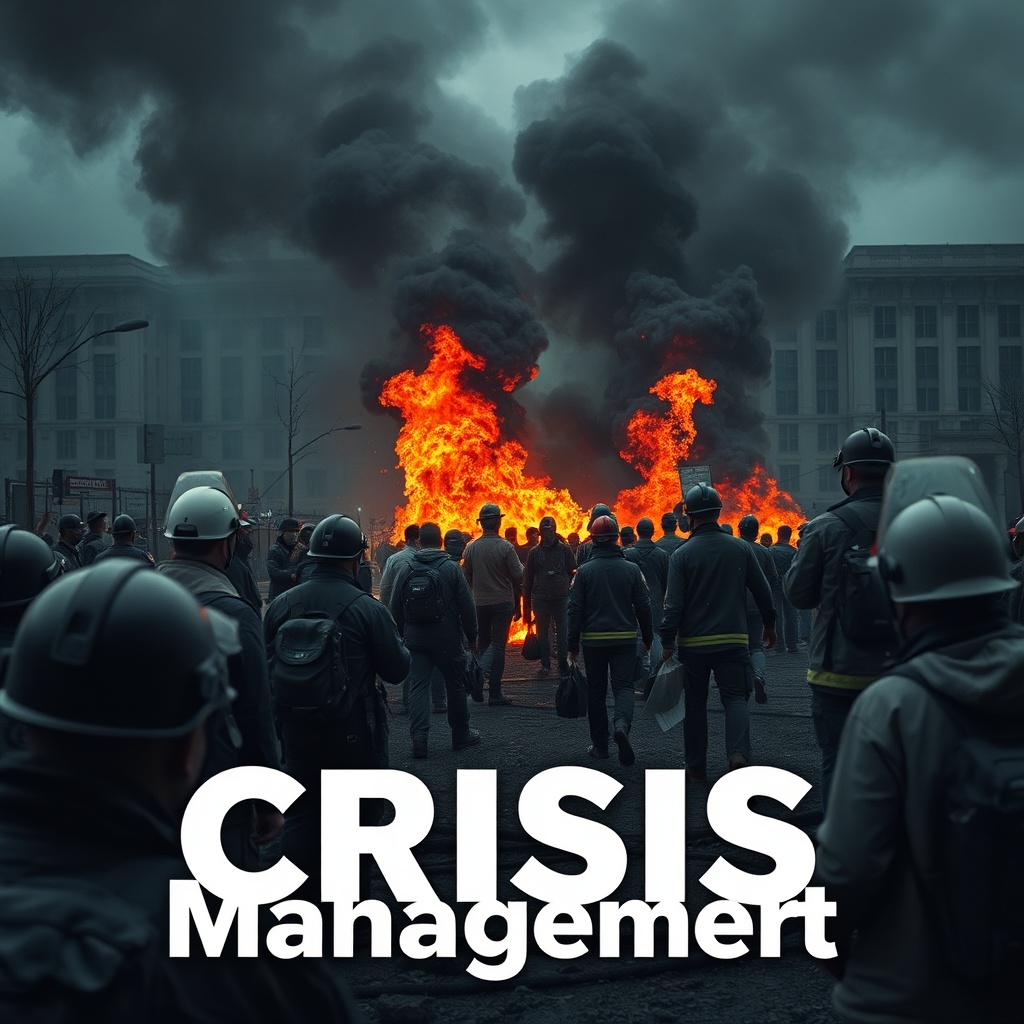
Compassion and action resonate better than technical defenses alone.
– Be factual and specific: Avoid vague promises. Share concrete steps, timelines, and progress updates when possible.
– Control the narrative channels: Use owned channels—website, verified social accounts, email—to distribute official updates. Coordinate messaging with partners and regulators to avoid contradictory statements.
– Avoid speculation: If details are uncertain, say so and commit to follow-up. Correct errors quickly and transparently to maintain credibility.
Practical steps for building resilience
– Run regular simulations: Tabletop exercises and full-scale drills expose gaps in procedures and test leadership decision-making under pressure.
– Train spokespeople: Media training and scenario rehearsals reduce hesitancy and drift during live inquiries.
– Maintain crisis kits: Include pre-approved messaging templates, legal checklists, contact trees, and IT recovery scripts.
– Monitor third-party risks: Suppliers, cloud providers, contractors, and partners can introduce vulnerabilities—assess them proactively.
– Invest in mental health and employee support: Crises put stress on people; timely support reduces long-term operational impact.
The modern reality is that crises rarely follow expected scripts. Success depends on preparation, deliberate organization, and the ability to communicate with speed and integrity.
Organizations that practice these behaviors build trust that endures long after the incident has passed.